

Tuberculosis (TB) is the deadliest infectious disease in humans and claims around 1.5 million lives worldwide every year. To successfully treat this lung disease, a mix of different drugs has to be administered for several months. This however, is problematic as the bacterial pathogens become resistant, and even in treatable bacterial populations, highly resistant subpopulations can be detected. In order to prevent the spread of the disease, it is therefore not only necessary to develop new antibiotics, but also to constantly find new combinations of active substances. Such combinations can so far only be identified empirically in expensive clinical studies. New digital tools in combination with novel analytical tools, such as artificial intelligence self-learning algorithms, have the potential to decipher the interplay of different antibiotics on mycobacterial metabolism in a faster, more cost efficient way, making it possible to identify suitable drug cocktails to overcome TB drug-resistance and improve current treatment regimens.
Multi-drug-resistance (MDR) is a dramatic challenge for the most deadly infectious disease of the world, tuberculosis (TB). In our project, we use self-learning algorithms to understand the interaction of different drugs in their effect on the metabolism of mycobacteria, the causative agents of tuberculosis. This way, we are not only able to predict new suitable drug combinations for tuberculosis treatment, but also determine biological molecules that reflect resistance mechanisms, so that we can find out how we can specifically reverse this with drugs. This combined approach yields an urgently needed preclinical laboratory model that will enable us to stop the further spread of the disease.
The identification of new drug-combinations in TB is very difficult as appropriate preclinical models to predict synergistic effects are missing, so that is the unmet need we plan on addressing.
First, we wanted to study the action of common antimycobacterials. A new experimental technique developed at the LMU allows us to describe their modes of action, escape mechanisms and adaptive reactions over time in unprecedented detail. This enabled us to characterize the effect of different antibiotics both individually and in combination.
This analysis could be extended thanks to artificial intelligence and systems biology. The obtained dynamic data was modelled to gain a better understanding of the pathogen and ultimately highlight novel drug targets. Neural-networks and random forests can be used to perform in silico screens of untested drug combinations, predicting their impact.
Our main goal was to develop fundamentally new approaches against resistant as well as susceptible tuberculosis leveraging the potential of new experimental methods and artificial intelligence.
In this way, we wanted to find out which active ingredients are an ideal match to be used as combination treatment for tuberculosis. This could provide less toxic and shorter treatment regimens. Furthermore, we aimed to identify new drug combinations that may efficiently battle drug-resistant TB.
DynamicKit enables, for the first time, the gentle isolation and time-resolved analysis of intact proteins from tuberculosis pathogens, creating a new platform to study their molecular responses under antibiotic stress. By combining innovative extraction methods, high-resolution mass spectrometry (MALDI-TOF and HPLC-MS), automated AI-supported data analysis, and an open, high-performance software pipeline, the project has identified characteristic protein signatures that pave the way for personalized therapies against drug-resistant tuberculosis. Strengthening Bavaria as a hub for research and pharmaceutical innovation, DynamicKit actively involves young scientists and provides insights already feeding into clinical studies, marking a decisive step toward more effective treatment strategies worldwide.
PD Dr. Andreas Wieser research group is spearheading a new proteomic technology, which for the first time enables to accurately measure newly formed proteins over time in Mycobacteria, the causative agents of tuberculosis. Prof. Dr. Michael Hoelscher contributes with his world leading expertise in infectious diseases and experience in coordinating drug trials. Through his work group we have access to novel substances and data on clinical correlates of diseases and treatment. Prof. Dr. Dr. Fabian Theis and Dr. Michael Menden are driving computational analyses with artificial intelligence.
Cooperations
With their interdisciplinary basic research, the research team combines expertise from fields such as bioinformatics, artificial intelligence and machine learning to understand cellular processes (F. Theis / M. Menden), analytical chemistry, medical microbiology (A. Wieser) and tropical medicine, including therapy in tuberculosis/clinical trials (M.Hoelscher). This project will strongly benefit from the scientific network provided by BayResQ.net as well.
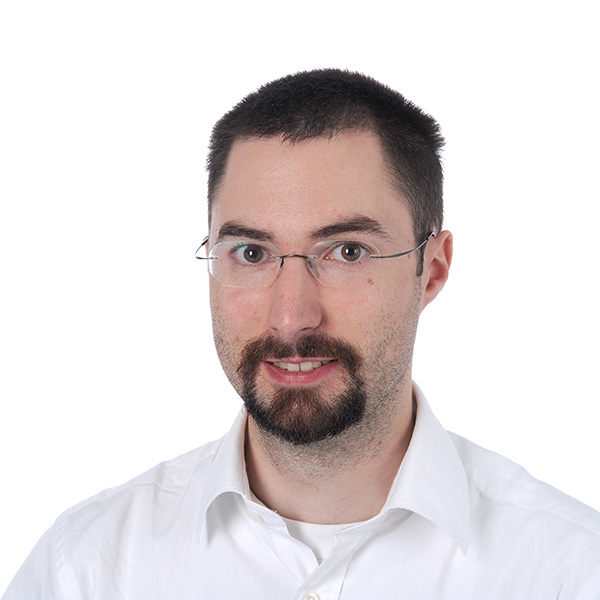
PD Dr. Andreas Wieser
Project Management
Ludwig-Maximilians-Universität München
Max von Pettenkofer Institut

Prof. Dr. Dr. Fabian Theis
Project Management
Technische Universität München
Institut für Computational Biology
Helmholtz Zentrum München
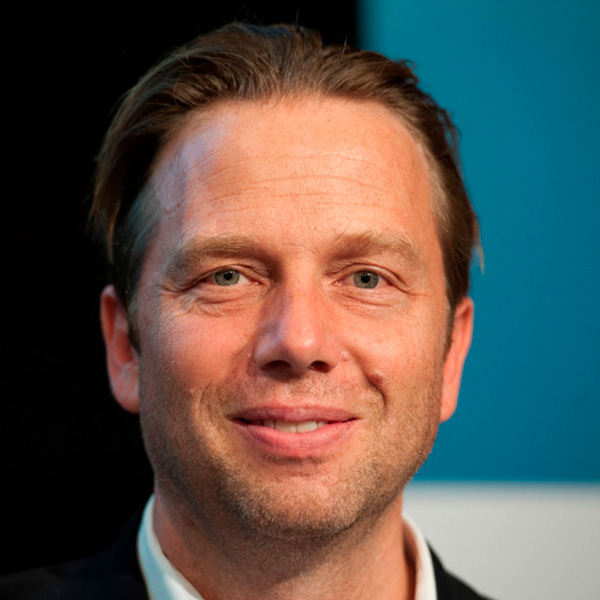
Prof. Dr. med. Michael Hoelscher
Project Management
Ludwig-Maximilians-Universität München
Department of Infectious Diseases and and Tropical Medicine
Medical Faculty
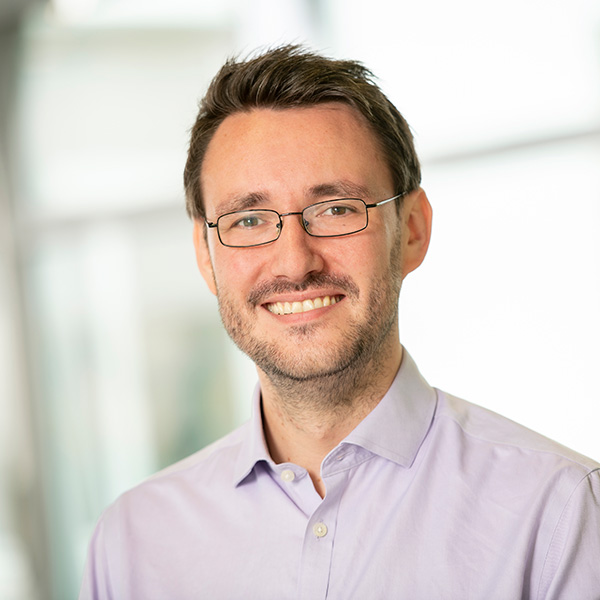
Prof. Dr. Michael Menden
Project Management
Ludwig-Maximilians-Universität München
Institut für Computational Biology
Helmholtz Zentrum München
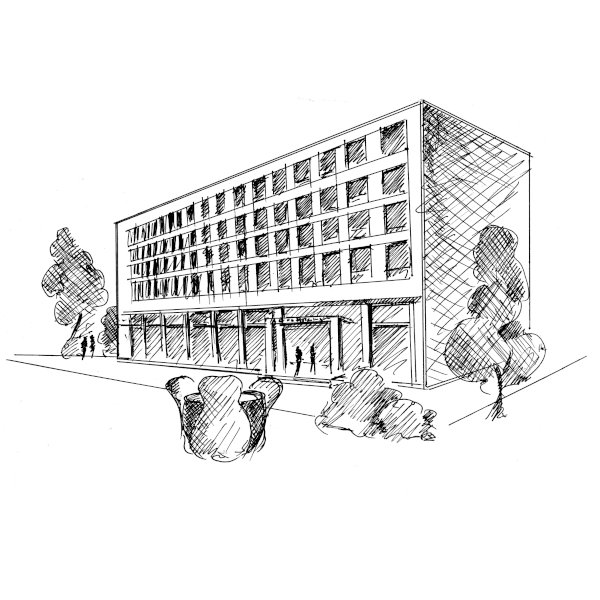
Ludwig-Maximilians-Universität München
Max von Pettenkofer Institut
Technische Universität München
Helmholtz Zentrum München
Ludwig-Maximilians-Universität München
Department of Infectious Diseases and and Tropical Medicine
Medical Faculty
Technische Universität München
Institut für Computational Biology