

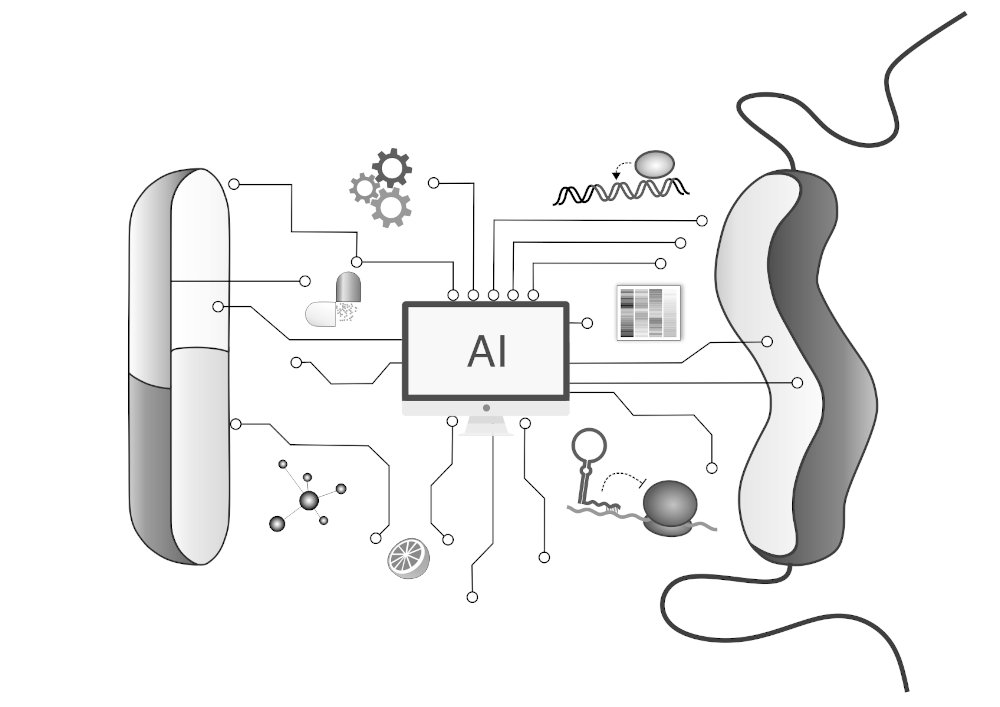
Pathogens are constantly exposed to numerous environmental cues, which can originate from their host, the microbiome, as well as from food, antibiotics, and other drugs. Pathogens employ diverse strategies to adapt to these continuously changing environments, mostly through transcriptional or post-transcriptional gene-expression control. Besides proteins that act as global stress regulators at the transcriptional level, small regulatory RNAs (sRNAs) are important players that control stress response and virulence at the post-transcriptional level. In addition to regulation of virulence genes or metabolism during host colonization, there is an increasing number of examples where sRNAs can impact antibiotic resistance and tolerance. However, the external cues that trigger many molecular pathways and regulators are still largely elusive, as well as how these regulatory cascades impact bacterial virulence and sensitivity to antibiotics.

Using high-throughput approaches, our StressRegNet consortium aimed to explore, which chemical signals (stressors) trigger pathways responsible for controlling bacterial adaptation to the host and to antibiotics in the two major human pathogens Salmonella and Campylobacter. Identifying such stressors helps unravel the extent of cross-talk (epistasis) between different sensing and adaptation mechanisms in bacteria, and expose unknown bacterial “Achilles heels”, such as virulence or antibiotic sensitivity pathways, as targets for novel therapeutic intervention.
In our StressRegNet project, we combined bacterial genetics, high-throughput screening, and machine learning approaches to obtain a general picture of chemical stimuli that trigger bacterial stress responses mediated by sRNAs and/or global regulators. To this end, we established a transcriptional reporter library of stress-related regulatory sRNAs in Salmonella and Campylobacter, and profile their activity upon exposure to >3,000 host-related small molecules. Subsequently, we developed machine-learning techniques to decipher the implications of these pathways for bacterial sensitivity to antimicrobials. The interdisciplinary approach of our StressRegNet consortium enables this unique chemical genomics approach, as each of the three project partners contribute crucial complementary expertise and essential technology. The strong interactions between wet-lab scientists and mathematicians will advance infection biology research through digitalization.
Within the StressRegNet project, the consortium generated one of the largest high-throughput datasets to date for analyzing bacterial stress responses, comprising around 130,000 compound–pathogen interactions for Salmonella and Campylobacter. Using robotic screening platforms and gene-activity reporter strains, the team systematically examined how pathogens respond to thousands of chemical stressors—including antibiotics, commonly used medications, and food additives—and which genes govern their adaptation, virulence, and antibiotic sensitivity. Combined with system biology, RNA research, and AI-driven analytics, the project identified previously unrecognized non-antibiotic compounds capable of selectively inhibiting Campylobacter as well as a drug-targetable gene that may reduce Salmonella virulence. In addition, StressRegNet developed statistical frameworks, machine-learning workflows, and deep-learning tools such as MolE and computational systems like DGrowthR, enabling the prediction of antimicrobial properties for untested chemical molecules. Together, these achievements provide unprecedented insights into bacterial stress regulation and highlight new vulnerabilities that can be exploited therapeutically.
Beyond scientific discoveries, StressRegNet delivered user-friendly data and software interfaces that simplify access to and analysis of the consortium’s extensive datasets, supporting intuitive use for researchers worldwide. Through a strong commitment to open data, all partners shared experimental data, metadata, and analyses in real time—accelerating discovery, improving reproducibility, and enabling external groups to build on standardized workflows. The findings offer new therapeutic entry points, particularly where traditional antibiotics fail, and demonstrate how AI-enabled strategies can transform future antibiotic development. At the same time, the project strengthened Bavaria’s position as a leading research and innovation hub, creating opportunities for patents, industrial collaborations, and future biomedical applications. StressRegNet exemplifies how interdisciplinary, digitally connected infection research can translate molecular insights into impactful innovations for medicine, science, and industry.
While antibiotics have been powerful tools to treat infectious diseases, their efficiency is seriously threatened by rising antibiotic resistances. A growing list of bacterial pathogens has acquired or developed new resistances, sometimes even multiple or against last resort antibiotics, making them harder, and sometimes impossible, to treat. This includes the intestinal pathogens Salmonella and Campylobacter, both of which were recently classified by the WHO with high priority for research and development of new antibiotics.
Based on a unique chemical-genomics approach, we will profile the molecular adaptation of these pathogens to host-derived and antibiotic stimuli. The systematic assessment of how environmental cues impact antibiotic activity and virulence pathways will be a groundbreaking step towards exploring the potential of host-related metabolites as antibiotic adjuvants to fight infections. Moreover, we believe that the unique combination of methods and expertise employed and developed with this project can be extended to other pathogens, enabling a strategic approach to address the rising threat of antibiotic resistance to global health.
Cooperations
CoreUnit Systems Medicine (CU SysMed), Würzburg.
Helmholtz Institute for RNA-based Infection Research (HIRI), Würzburg.
Vertis Biotechnology AG, Freising.

Prof. Dr. Cynthia M. Sharma
Project Management
Julius-Maximilians-Universität Würzburg
Institut für Molekulare Infektionsbiologie
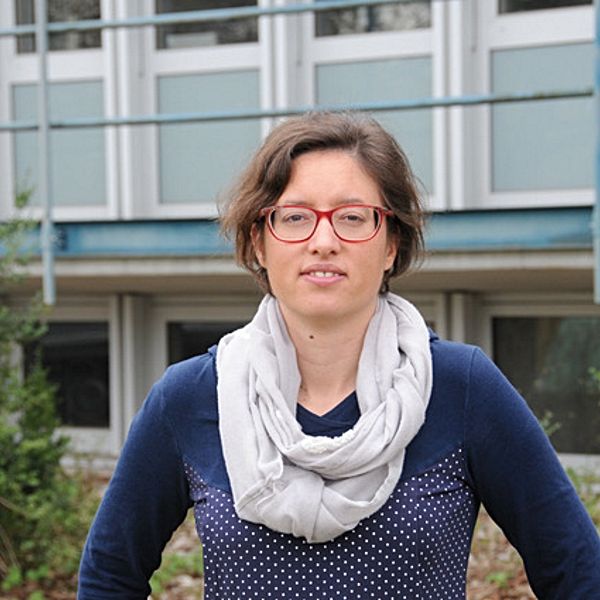
Dr. Ana Rita Brochado
Project Management
Julius-Maximilians-Universität Würzburg
Biozentrum / Zentrum für Infektionsforschung

Prof. Dr. Christian L. Müller
Project Management
Ludwig-Maximilians-Universität München
Fakultät für Mathematik, Informatik und Statistik
Julius-Maximilians-Universität Würzburg
Medizinische Fakultät
Institut für Molekulare Infektionsbiologie

Julius-Maximilians-Universität Würzburg
Biozentrum / Zentrum für Infektionsforschung

Ludwig-Maximilians-Universität München
Fakultät für Mathematik, Informatik und Statistik